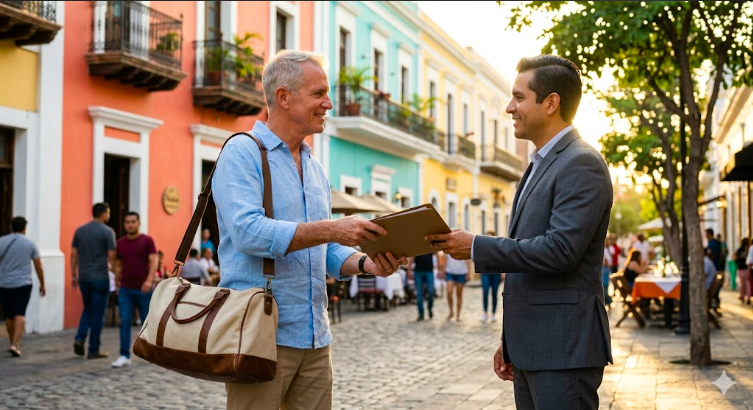
Living, investing, or owning property in Mazatlán often means handling legal or administrative matters while being outside the country. For many expats, one of the most practical legal tools available is a power of attorney.
At our notary office, one of the most common questions we receive from foreign clients is how a power of attorney in Mexico works, when it is needed, and what limitations it may have.
Whether you are buying property, managing a bank account, handling a business matter, or authorizing someone to represent you in Mexico, understanding this document can save time, travel expenses, and unnecessary complications.
What is a power of attorney in Mexico?
A power of attorney is a legal document through which one person authorizes another to act on their behalf in specific legal, financial, or administrative matters.
In Mexico, this document is commonly formalized before a notary public to ensure legal validity and certainty.
A power of attorney in Mexico can be broad or limited depending on the purpose. For example, someone may grant authority to:
- Sign documents
- Manage property
- Represent them before government offices
- Handle banking matters
- Buy or sell real estate
The scope of authority depends entirely on how the document is drafted.
Why expats commonly use powers of attorney
Many foreigners who own property or conduct business in Mexico are not physically present year-round. Because of this, powers of attorney are frequently used in situations such as:
Real estate transactions
An expat purchasing property in Mazatlán may authorize someone to sign documents or complete parts of the closing process on their behalf.
Property management
If the owner lives abroad, a trusted representative may need authority to manage utilities, taxes, maintenance, or rental agreements.
Business matters
Entrepreneurs opening or operating a company in Mexico often grant powers to accountants, attorneys, or business partners for administrative purposes.
Inheritance and legal procedures
In some family or succession matters, beneficiaries who live outside Mexico may use a power of attorney in Mexico to avoid repeated travel.
Types of powers of attorney in Mexico
Not all powers of attorney in Mexico are the same. The document should always be tailored to the specific situation and the level of authority being granted.
General power of attorney
A general power of attorney grants broader authority and is commonly used for ongoing legal, business, or administrative matters.
In Mexico, general powers are often divided into categories such as:
- Acts of administration — for managing property or business matters
- Acts of ownership (dominio) — for buying, selling, or transferring assets
- Lawsuits and collections — for legal representation in judicial matters
Because these powers can grant significant authority, they should always be drafted carefully.
Special or limited power of attorney
A special power of attorney is limited to a specific action or transaction.
For example, it may authorize someone to:
- Sell a property
- Sign a specific document
- Represent someone in a single legal procedure
Once the specific act is completed, the power generally has no further effect.
Choosing the correct type of power of attorney is important because granting broader authority than necessary can create unnecessary legal risks.
Requirements for a power of attorney in Mexico
The requirements vary depending on whether the document is signed inside or outside Mexico.
If signed in Mexico
The person granting the authority generally needs:
- Valid identification
- Personal information
- Details of the person receiving the authority
- Information about the specific legal act involved
The document is then formalized before a Mexican notary public.
If signed abroad
When a power of attorney is signed outside Mexico, additional legal formalities are usually required for the document to be valid and usable in Mexico.
Depending on the country and the type of document, these requirements may include:
- Notarization before a local notary public
- Apostille or consular legalization
- Official translation into Spanish, when the document is issued in another language
For foreign clients, understanding these formalities is an important part of ensuring that a power of attorney in Mexico will be accepted by Mexican authorities, banks, or notaries.
Because requirements can vary depending on the country where the document was signed and the type of legal act involved, it is always advisable to verify the process beforehand.
Common concerns from foreign clients
“Can I use a U.S. or Canadian power of attorney in Mexico?”
In some cases yes, but it depends on the wording, formalities, apostille requirements, and whether it complies with Mexican law.
This is why many clients prefer preparing the document directly in Mexico or having it reviewed by a local notary.
“Does the person receiving the power become the owner?”
No. Granting a power of attorney does not transfer ownership. It only authorizes someone to act on your behalf within the limits established in the document.
“Can a power of attorney be revoked?”
Yes. A power of attorney in Mexico can generally be revoked at any time by the person who granted it, as long as legal formalities are followed.
A common example in Mazatlán
A very common situation involves foreign property owners who spend part of the year in Mexico and part abroad.
Imagine an expat who owns a condo in Mazatlán but returns to Canada for several months. During that time, they may need someone locally to:
- Sign maintenance documents
- Handle tax matters
- Represent them before the condominium administration
- Coordinate a property sale or rental
In these situations, a properly drafted power of attorney in Mexico can make everyday matters much easier and more efficient.
Why working with a local notary matters
Every legal system works differently, and documents valid in one country do not always automatically work in another.
A local notary helps ensure:
- The document complies with Mexican law
- The powers granted are clear and appropriate
- Risks are minimized
- The document will be accepted by banks, government offices, or other institutions
For foreign clients in Mazatlán, proper legal guidance is especially important when dealing with real estate, inheritance, or corporate matters.
Conclusion
A power of attorney can be an extremely useful legal tool for expats living, investing, or doing business in Mexico. When properly prepared, it allows important matters to move forward smoothly even when you are outside the country.
Understanding how a power of attorney in Mexico works, what it allows, and how it should be formalized helps avoid delays and legal complications later on.
If you need guidance regarding a power of attorney, property transaction, or legal document in Mexico, at Notaría Pública 262 in Mazatlán we are here to help you understand the process clearly and move forward with confidence.